01
130%
average return on total advertising spend

We review the book’s format availability, presentation, audience and supplied advertising history before campaign work.
Share your Amazon listings and advertising goals so we can assess the campaign scope.
We review the book’s format availability, presentation, audience and supplied advertising history before campaign work.
An unavailable paperback and a working ebook need separate diagnoses; increasing clicks does not repair the unavailable format.
Is the book listing ready before paid traffic reaches it?
Review Amazon listing, categories, metadata, and book page quality
Build keyword, category, and comparable-title targeting
Prepare Sponsored Product campaign structure and ad copy direction
Launch, monitor, and refine bids and search terms
The sequence is illustrative of the review framework. The written engagement confirms the actual scope.
We review the book’s format availability, presentation, audience and supplied advertising history before campaign work.
average return on total advertising spend
average sales, ranking or visibility improvement
keywords, categories and competing titles targeted
Amazon advertising depends on the destination as well as the targeting. Stonebridge reviews the listing, category and metadata context before planning keyword, comparable-title and campaign work.
Request the assessment →Check the listing presentation and availability before asking an ad campaign to generate demand.
Build keyword and comparable-title direction around the book’s subject and audience.
Review search terms, bids, clicks and spend to decide which targeting needs refinement.
Our Book Portfolio
Explore the book collection. Each title identifies the publishing, editorial or marketing work delivered.

 New York Times & USA TODAY Bestseller
 Rewind It Back
Development, Publishing & Marketing
Romance
 Amazon Bestseller
Development, Publishing & Marketing
Business / Decision Making
View case study Then You Happened
Publishing & Marketing
Romance
 Text Prize Winner
 It Sounded Better in My Head
Publishing & Marketing
Young Adult / Contemporary
Development, Publishing & Marketing
Business / Self-Development
View case study Seeds and Trees
Publishing & Marketing
Children’s picture book
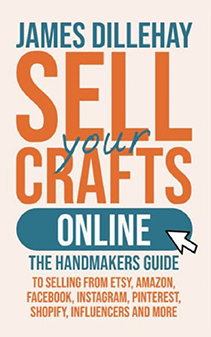 Sell Your Crafts Online
Publishing & Marketing
Business
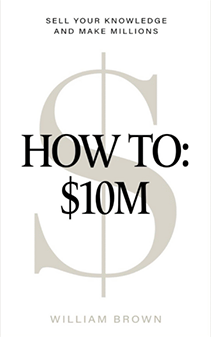 How To: $10M
Publishing & Marketing
Business
 Global Book Awards Gold
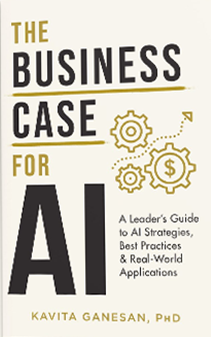 The Business Case for AI
Publishing & Marketing
Business
 B.R.A.G. Medallion
 Tōru: Wayfarer Returns
Development & Publishing
History
The full engagement is scoped after the initial review; these items are not all included in the free audit. Read the full service scope.
Review Amazon listing, categories, metadata, and book page quality. The next stages follow the agreed service scope.
Review Amazon listing, categories, metadata, and book page quality
Build keyword, category, and comparable-title targeting
Prepare Sponsored Product campaign structure and ad copy direction
Launch, monitor, and refine bids and search terms. Report visibility, clicks, spend, and next actions.
Advertising management does not repair every publishing or availability problem. Platform eligibility, ad approval and book sales remain outside a guaranteed campaign result.
Is the book listing ready before paid traffic reaches it?
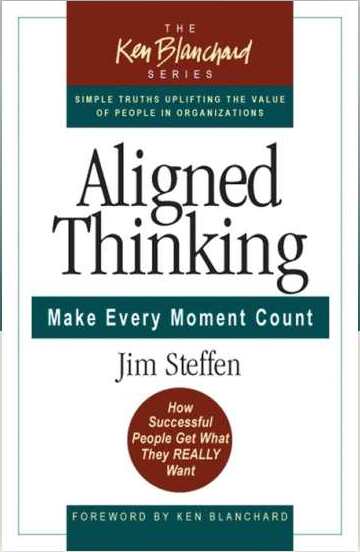
Matching two books with two distinct publishing and marketing needs
View case study →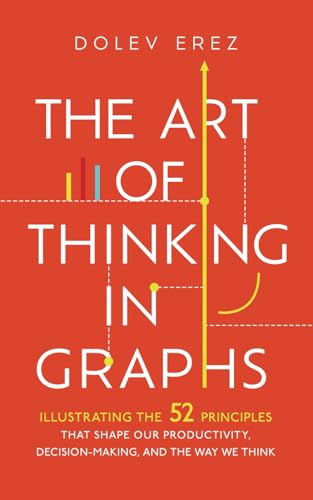
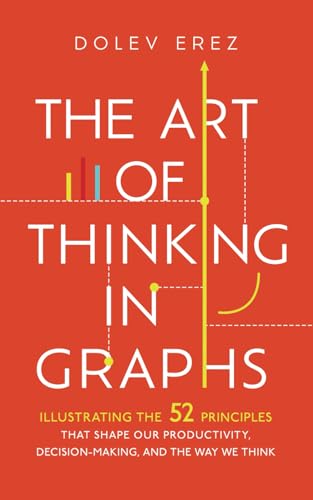
Taking The Art of Thinking in Graphs from editorial development through marketing
View case study →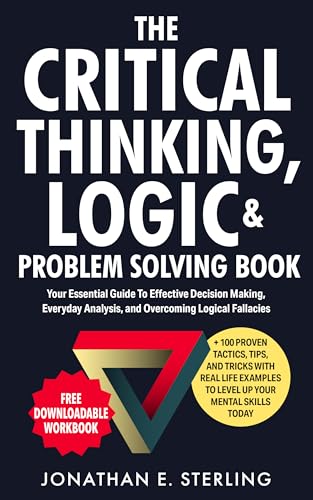
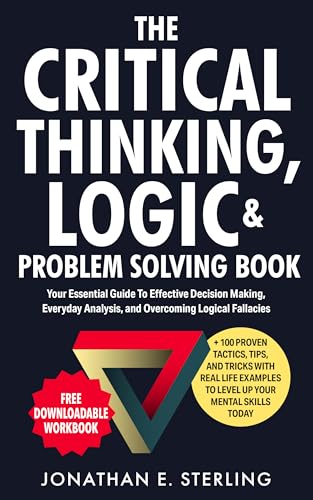
Building a practical critical-thinking title from editing through global marketing
View case study →Amazon book advertising places the book in sponsored positions based on targeting such as keywords, categories, competing titles, products, or reader intent. The most common structure charges when a shopper clicks the ad rather than simply when the ad is displayed. Stonebridge manages the campaign around the book's genre, listing quality, price, reviews, metadata, audience, and competitive position so the advertising is connected to the book itself rather than operating in isolation.
Stonebridge sets the starting budget after reviewing the book, category, price, competition, current sales history, target keywords, and overall campaign objective. We do not use the same daily budget for every title. The campaign needs enough spend to generate useful data, but increasing the budget does not solve a weak listing, poor cover, wrong targeting, or low conversion. Stonebridge first makes sure the book is ready to receive the traffic.
Automatic targeting allows Amazon to match the book to searches and products based on its own understanding of the listing. Manual targeting gives Stonebridge more direct control over the keywords, competing books, products, categories, and bids being targeted. Stonebridge can use both. Automatic campaigns can discover useful search behavior, while manual campaigns allow stronger terms and competitor opportunities to be managed more deliberately as performance data develops.
Stonebridge reviews the book's genre, subject, positioning, comparable titles, reader intent, categories, listing metadata, and the searches buyers are likely to use. Competing books are selected based on real audience overlap, not simply because they are bestsellers. Bids and budgets are then adjusted according to visibility, click cost, conversion behavior, and campaign goals. The targeting is refined continuously as the campaign produces data.
An ad can bring a reader to the listing, but the listing still has to convert that interest into a purchase. The cover, title, price, description, reviews, sample, author credibility, category fit, and reader expectations all influence the decision. That is why Stonebridge looks at the complete Amazon presence rather than blaming the advertising automatically. Our guarantee is to deliver the contracted campaign and visibility work; the reader still decides whether to buy the book.
The answer depends on the budget, click volume, genre, competition, and how often the book converts. Stonebridge allows enough time for the campaign to collect useful search-term and performance data before making major conclusions, while still correcting obvious waste as it appears. The optimization period is planned around the actual campaign rather than a fixed number of days. Mature campaigns can then be scaled, reduced, or restructured based on what the data proves.