01
12
data sources and platforms connected

We review data sources and event definitions before deciding what a useful report should contain.
Tell us your goal and where things stand. A Stonebridge consultant will review your starting point and recommend the next step, at no charge.
We review data sources and event definitions before deciding what a useful report should contain.
A report showing form views cannot be read as completed consultations. The event definition should be checked before performance is interpreted.
Can the report distinguish delivery from results?
Define the campaign metrics and reporting rhythm
Set up tracking where applicable
Collect delivery proof, links, traffic, rankings, and ad data
Prepare clear progress reports
The sequence is illustrative of the review framework. The written engagement confirms the actual scope.
We review data sources and event definitions before deciding what a useful report should contain.
data sources and platforms connected
KPIs tracked per campaign, average
reporting frequency
A list of completed tasks is not the same as evidence of audience response. Stonebridge connects campaign proof, website and ad data, and the agreed reporting rhythm so the next decision is visible.
Request the assessment →Separate campaign delivery, exposure, traffic and enquiries instead of using one figure as a substitute for all four.
Identify the available platform reports, tracking records and public delivery links.
Turn the report into a recommendation about the next campaign or website adjustment.
The full engagement is scoped after the initial review; these items are not all included in the free audit. Read the full service scope.
Define the campaign metrics and reporting rhythm. The next stages follow the agreed service scope.
Define the campaign metrics and reporting rhythm
Set up tracking where applicable
Collect delivery proof, links, traffic, rankings, and ad data
Prepare clear progress reports. Recommend adjustments based on campaign movement.
Reporting depends on the data and access available. Missing historical tracking cannot be recreated with invented figures, and a platform-reported result should not be presented as proof of every downstream sale.
Can the report distinguish delivery from results?
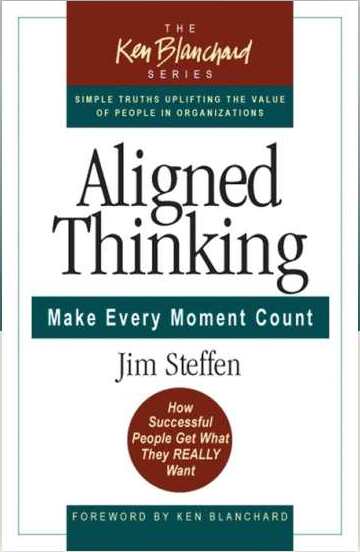
Matching two books with two distinct publishing and marketing needs
View case study →
Taking The Art of Thinking in Graphs from editorial development through marketing
View case study →
Building a practical critical-thinking title from editing through global marketing
View case study →The right metrics depend on the objective. Stonebridge can track PR pickups, views, reads, reach, advertising activity, website traffic, search visibility, ranking movement, enquiries, bookings, sales data where available, social engagement, review visibility, and other agreed outputs. We do not treat every available metric as equally important. The reporting should show whether the campaign is improving the specific visibility, credibility, lead, or commercial objective the client hired Stonebridge to support.
The reporting cadence is set according to the campaign. Reports follow the cadence agreed in your project scope. Reports can cover completed work, live links, advertising activity, search movement, website traffic, campaign metrics, issues requiring attention, and the next actions being taken. The purpose is to show what is happening and why, not simply send a dashboard full of numbers with no interpretation.
Stonebridge starts with the client's objective. Impressions and reach matter when the campaign is designed to create awareness, but they should not automatically be presented as leads or sales. We separate visibility metrics from credibility indicators and conversion data. For example, a campaign may create millions of impressions but still need stronger landing pages or follow-up to generate business. Reporting should explain what each number means and how it connects to the next stage of the customer journey.
Yes. Stonebridge can build connected reporting and dashboards where the project includes the required analytics and integrations. That can combine website traffic, advertising performance, search visibility, PR links, campaign milestones, lead information, and other relevant data. For larger engagements, dashboards and client portals can be used so the client does not have to open several unrelated platforms just to understand what is happening across one campaign.
Stonebridge uses the tracking available across the website, advertising platforms, forms, campaign links, analytics, CRM, and other connected systems. Some conversions have one obvious source; others involve several touchpoints before the person acts. We therefore avoid oversimplifying attribution when the data does not support it. The goal is to understand which channels are introducing qualified people, which assets are helping them trust the client, and where the final conversion is occurring.
Stonebridge's standard position is client ownership. Where accounts can be client-owned, the client retains the account and its history. Reports, dashboards, campaign records, and approved final materials included in the scope also belong to the client. If third-party tools, licensed systems, or Stonebridge-owned reusable infrastructure are involved, the exact access and transfer terms are confirmed in the written agreement. The client should know what remains available before the project closes.