01
45%
average improvement in CPC, lead cost or conversion rate

We compare intended search queries, ad claims and the destination page before campaign implementation.
Share your website and advertising goals so we can assess Google and Bing campaign options.
We compare intended search queries, ad claims and the destination page before campaign implementation.
An ad for a narrow repair service should lead to that service’s scope and enquiry route, not a homepage requiring the visitor to diagnose the offer again.
Will the ad, the search term and the landing page agree?
Define campaign objective and audience intent
Build keyword groups, negative keywords, and ad copy
Align ads with landing pages and conversion paths
Launch, monitor, and adjust bids and search terms
The sequence is illustrative of the review framework. The written engagement confirms the actual scope.
We compare intended search queries, ad claims and the destination page before campaign implementation.
average improvement in CPC, lead cost or conversion rate
keywords managed per campaign, average
average increase in monthly lead volume
Paid search needs a coherent path from the query to the enquiry. Stonebridge reviews intent, keywords, negative keywords, ad copy and the destination before treating more spend as the solution.
Request the assessment →Build keyword groups around the intended enquiry and separate irrelevant searches through negative-keyword planning.
Review the message, call to action and conversion path that a visitor reaches after clicking.
Distinguish spend and clicks from the enquiries or other agreed actions the campaign is intended to produce.
The full engagement is scoped after the initial review; these items are not all included in the free audit. Read the full service scope.
Define campaign objective and audience intent. The next stages follow the agreed service scope.
Define campaign objective and audience intent
Build keyword groups, negative keywords, and ad copy
Align ads with landing pages and conversion paths
Launch, monitor, and adjust bids and search terms. Report performance and recommended adjustments.
Campaign setup, monitoring and adjustments are scoped separately from media spend. Platform approval, lead volume, acquisition cost and sales are not guaranteed outcomes.
Will the ad, the search term and the landing page agree?
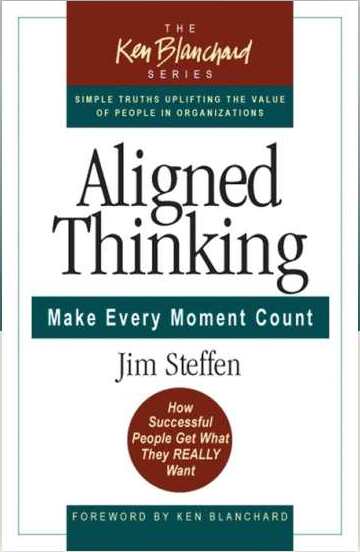
Matching two books with two distinct publishing and marketing needs
View case study →
Taking The Art of Thinking in Graphs from editorial development through marketing
View case study →
Building a practical critical-thinking title from editing through global marketing
View case study →Stonebridge recommends the budget after understanding the offer, target market, geographic reach, cost of the product or service, expected lead value, competition, and how much data is needed to test properly. We do not use one minimum budget for every industry. A campaign should have enough spend to generate meaningful search and conversion data without simply increasing budget before the landing page, tracking, or offer has been proven.
Yes, unless a written proposal specifically packages them together. Advertising spend is the money paid to the platform to show the ads. Stonebridge's fee covers the strategy, setup, management, optimization, reporting, creative or landing-page work included in the scope, and the time required to operate the campaign. Separating the two makes it easier for the client to understand how much money is going to the platform and how much is paying for professional management.
Stonebridge's standard ownership position is client ownership. Where possible, campaigns are built in accounts the client owns or can access, with Stonebridge added as the manager. That keeps the advertising history, conversion data, and account control with the client after the engagement. If a different account structure is required for a specific campaign, it should be stated in the agreement before launch so the client knows exactly what access and ownership they will have.
Stonebridge connects the campaign to the relevant conversion points. That can include website forms, calls, bookings, purchases, landing pages, analytics, pixels, tags, or CRM events depending on the business. Tracking is part of understanding whether the ads are producing useful actions rather than only impressions and clicks. Stonebridge also checks the follow-up path because a campaign can generate leads and still appear unsuccessful if those leads are not being handled properly after they arrive.
Stonebridge does not judge a campaign after a handful of clicks. The testing period depends on the budget, search volume, conversion cycle, industry, and how quickly enough data is collected to make a meaningful decision. Early performance is still monitored closely so obvious problems can be corrected, but larger conclusions should be based on sufficient search and conversion data. The review window is set in the campaign plan rather than using one fixed number for every client.
Launch is the beginning of management, not the end. Stonebridge reviews search terms, keywords, bids, negative keywords, audiences, budgets, conversion data, ad copy, landing-page performance, geography, device performance, and other campaign signals. We make adjustments based on what the data shows and report the movement to the client. Ongoing management is where wasted spend is reduced and the campaign is refined around the enquiries or conversions that actually matter.