01
Article condition
Cleanup, structure, neutrality, citation and outdated-content problems are mapped before edits are proposed.

A live article can be accurate in places and still carry cleanup notices, weak citations, outdated facts, poor structure or unresolved talk-page issues. Stonebridge reviews the current page, identifies the underlying editorial problem and prepares the clearest compliant route for repair.
Share the article and proposed changes so we can assess the sourcing and editing route.
Stonebridge separates fixable article work from decisions controlled by volunteer editors and administrators.
Turn a live-page problem into a documented repair plan. Stonebridge separates client-controlled corrections from decisions that remain with Wikipedia editors and administrators.
Stonebridge separates fixable article work from decisions controlled by volunteer editors and administrators.
Read the live page, notices, relevant revisions and talk-page context together.
Identify promotional, unsupported or one-sided language that weakens the article.
Check whether material claims have reliable, independent and correctly placed support.
Repair headings, lead structure, chronology, links and sections that make the article difficult to use.
Illustrative review framework. Findings are established from the project’s evidence.
A live article can be accurate in places and still carry cleanup notices, weak citations, outdated facts, poor structure or unresolved talk-page issues. Stonebridge reviews the current page, identifies the underlying editorial problem and prepares the clearest compliant route for repair.
Cleanup, structure, neutrality, citation and outdated-content problems are mapped before edits are proposed.
Talk-page context, edit requests and reviewer concerns are organized so the proposed change has a clear record.
Follow-up checks can track unresolved notices, new changes and the next evidence needed for a defensible update.
Stonebridge separates fixable article work from decisions controlled by volunteer editors and administrators.
Request the assessment →Read the live page, notices, relevant revisions and talk-page context together.
Identify promotional, unsupported or one-sided language that weakens the article.
Check whether material claims have reliable, independent and correctly placed support.
Repair headings, lead structure, chronology, links and sections that make the article difficult to use.
Address the underlying issue behind a tag and prepare a properly sourced request for review.
Use the appropriate paid-contribution disclosure and edit-request path where a client relationship creates a conflict.
The scope follows the live page, the evidence available and the corrections that can be responsibly proposed.
A prioritized record of what is wrong, what is supported and what needs independent review.
A source-linked set of proposed factual, structural and language changes.
Clear edit-request or discussion material that makes the requested change reviewable.
A practical sequence for follow-up, monitoring and evidence updates.
Fit depends on the article, evidence, objective and the client’s willingness to respect Wikipedia’s independent editorial process.
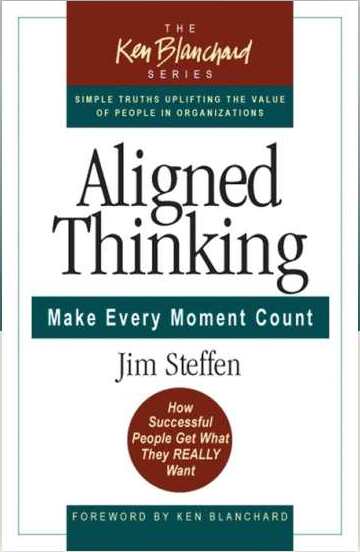
Matching two books with two distinct publishing and marketing needs
View case study →
Taking The Art of Thinking in Graphs from editorial development through marketing
View case study →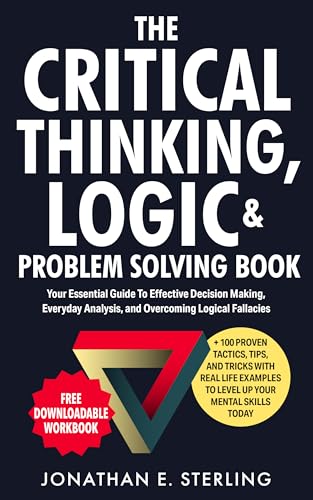
Building a practical critical-thinking title from editing through global marketing
View case study →It can include article cleanup, neutral language, citation review, dead-link checks, structure, outdated factual corrections, talk-page coordination and a follow-up maintenance plan. The exact scope follows the page condition and available evidence.
A tag is not a cosmetic item to erase. Stonebridge can diagnose the notice, prepare source-backed repairs and explain them for review. Whether the notice is removed depends on the corrected article and independent Wikipedia processes.
Stonebridge can document vandalism, organize the revision history and prepare a request through the appropriate Wikipedia process. Page protection is an administrator decision and cannot be promised.
Where a paid relationship or conflict of interest exists, the work must follow applicable disclosure rules and the appropriate edit-request or review route. Stonebridge does not present paid work as independent volunteer editing.
No. Wikipedia editors and administrators control changes, disputes, protection and deletion decisions. Stonebridge can improve the evidence and process within the agreed scope.
Send the article URL, the visible notices or concerns, the corrections you believe are needed, the reliable sources available and any relevant discussion or revision links.
Review Stonebridge’s paid-contribution policy and the method used to assess sources and report project outcomes.