Dr. Raymond J. Steffen
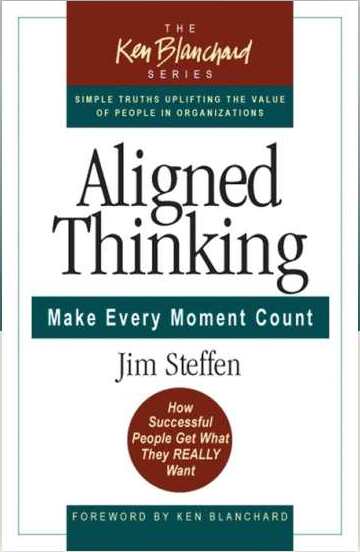
Matching two books with two distinct publishing and marketing needs
View case study →
Stonebridge separates bookstore submission from bookstore distribution: first we qualify and submit the book; when a retailer approves it, we move into the distribution/placement work appropriate to that approval.
Tell us about your book and distribution so we can assess bookstore submission options.
Stonebridge separates readiness, submission, retailer acceptance and distribution so each stage is handled on its own terms.
Retailer acceptance remains independent and is not guaranteed. Submission, acceptance, distribution availability and physical shelf stocking are separate stages.
Stonebridge reviews readiness first, submits the title to suitable outlets, then moves into distribution only after approval.
Production quality, metadata, price, wholesale terms, fulfillment and demand signals.
Target suitable major bookstore/outlet opportunities with professional materials.
Historical submission outcomes are reviewed by qualifying title; retailer acceptance remains independent.
Only after approval: execute the retailer/distribution requirements tied to that acceptance.
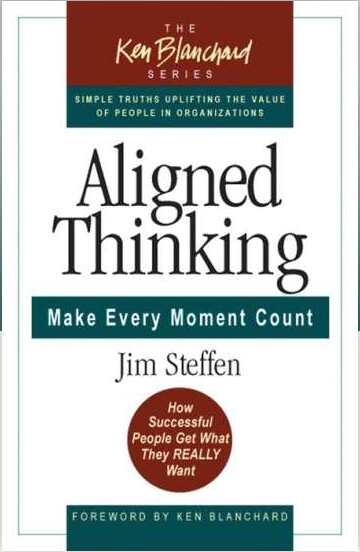
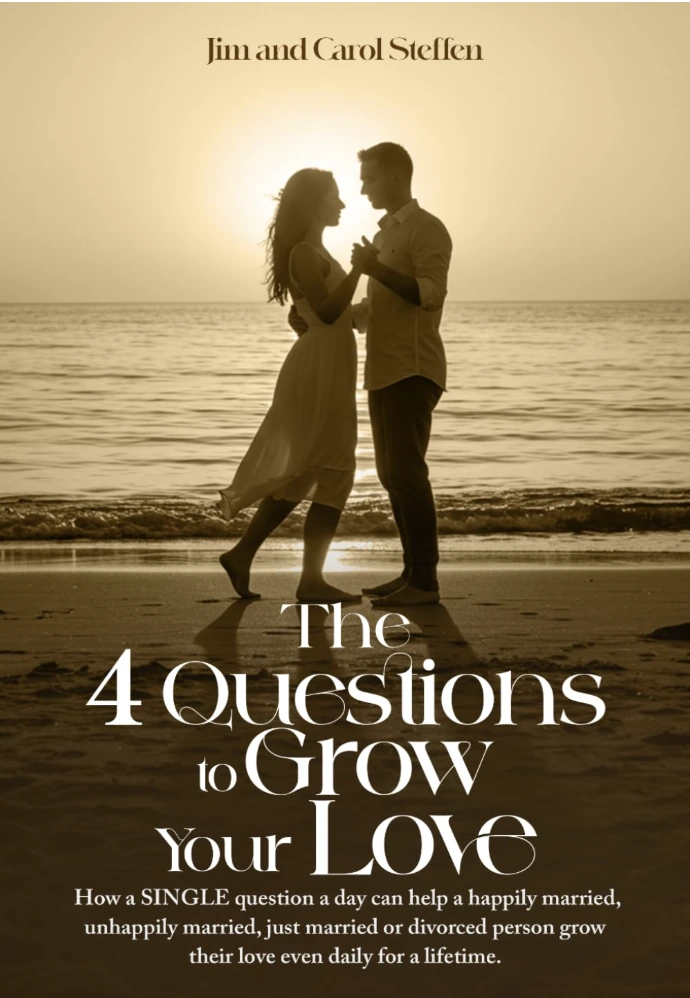
Matching two books with two distinct publishing and marketing needs
View case study →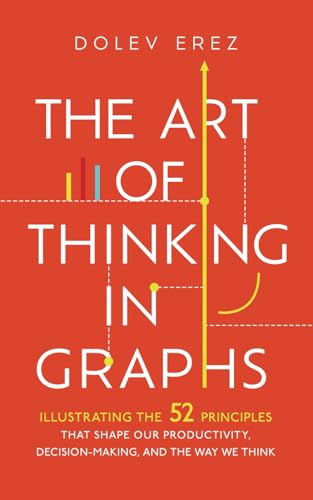
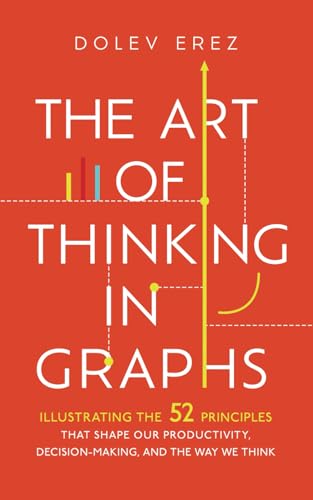
Taking The Art of Thinking in Graphs from editorial development through marketing
View case study →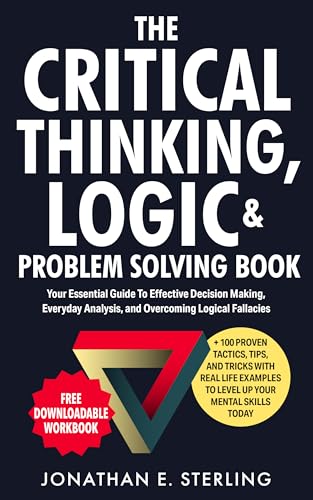
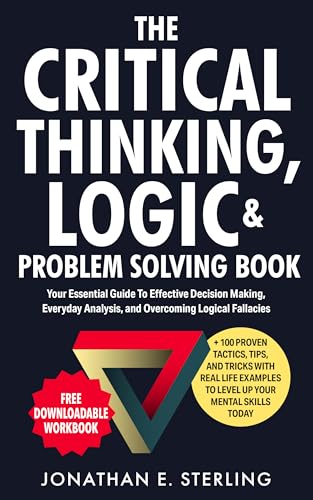
Building a practical critical-thinking title from editing through global marketing
View case study →Our Book Portfolio
Explore the book collection. Each title identifies the publishing, editorial or marketing work delivered.
 Sell Your Crafts Online
Publishing & Marketing
Business
 Global Book Awards Gold
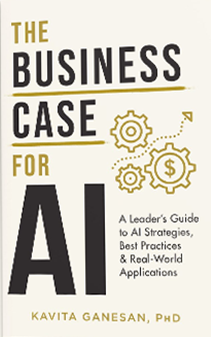 The Business Case for AI
Publishing & Marketing
Business

 New York Times & USA TODAY Bestseller
 Rewind It Back
Development, Publishing & Marketing
Romance
 Then You Happened
Publishing & Marketing
Romance
 Text Prize Winner
 It Sounded Better in My Head
Publishing & Marketing
Young Adult / Contemporary
 Amazon Bestseller
Development, Publishing & Marketing
Business / Decision Making
View case studyDevelopment, Publishing & Marketing
Business / Self-Development
View case study Seeds and Trees
Publishing & Marketing
Children’s picture book
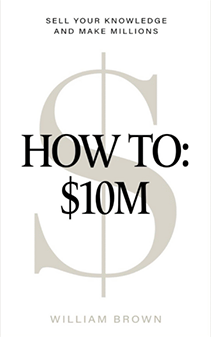 How To: $10M
Publishing & Marketing
Business
 B.R.A.G. Medallion
 Tōru: Wayfarer Returns
Development & Publishing
History
Stonebridge prepares eligible titles for broad distribution availability. That availability does not guarantee retailer acceptance or physical shelf stocking.
Retail clients evaluate professionalism, economics, demand, fulfillment and fit. Stonebridge treats wholesale availability, retailer submission, acceptance and physical distribution as different decisions.
A distributor can make a title orderable without a retailer ever deciding to stock or feature it.
Price, discount, returnability, format and fulfillment can matter as much as the book’s creative quality.
A weak first submission wastes the opportunity and can create a poor retailer impression before the fundamentals are fixed.
The sequence is deliberately staged so authors know what is being promised at each point.
Request the assessment →Audit production quality, metadata, pricing, wholesale terms, returnability and demand signals.
Prepare and submit the book to suitable retailer/outlet opportunities under the submission package.
Track the retailer response and address legitimate readiness issues where possible.
Once a retailer approves the title, move into the distribution/placement steps appropriate to that specific approval.
The assessment establishes the starting point. Stonebridge then recommends a scope based on the subject, current position and work required.
Production, metadata, price, wholesale, fulfillment and demand-signal assessment.
Prioritized bookstore/outlet targets based on book and market fit.
The professional information and assets required for retailer review.
Execute the approved bookstore submission package.
Interpret retailer feedback and strengthen fixable issues where appropriate.
If accepted, activate the separate distribution/placement scope tied to the retailer decision.
Each stage has a defined purpose, review point and next step.
Determine whether the title is truly retailer-ready.
Present the book to suitable major bookstore/outlet opportunities.
Track acceptance and address legitimate requests or gaps.
After approval, execute the separate retailer distribution/placement stage.
Stonebridge tracks historical retailer-submission outcomes across qualifying titles. Retailer acceptance remains independent and is not guaranteed. Submission, acceptance, distribution availability and physical shelf stocking are separate stages.
Fit depends on the subject, objective, evidence, current assets and the outcome the project needs to support.
Submission is the retailer-approval stage. Distribution/placement begins only after an outlet accepts the title; they are separate services.
No. Retailers control acceptance. Stonebridge tracks historical retailer-submission outcomes across qualifying titles without guaranteeing acceptance or shelf stocking.
No. Distribution can make a title orderable, but individual retailers decide what they accept, list, stock or place.
Production quality, metadata, price, wholesale discount, returnability, fulfillment, demand signals, author credibility and fit can all matter.
Often, yes. The assessment can identify production, metadata, authority or demand issues before a submission is recommended.
We can move into the separate distribution/placement scope tied to that approval and the retailer’s operational requirements.