
01
ISBN & Edition Transition Audit
Know whether the ISBN can stay before you move the book.
Changing publishers, distributors, imprints or production specifications can affect the identity and continuity of an edition. Stonebridge maps the current record, proposed changes and retailer consequences before migration begins.
Specialist reviewConfidentialNo obligation
Edition-awarecurrent and proposed records compared
Ownership-ledregistrant and publisher checked
Continuity-testedidentifier decision documented
Complimentary assessment
Get a complimentary initial ISBN & Edition Transition Audit.
Share the relevant book details and listing links. We will provide a small initial audit of the available information, identify the main issues and explain what still needs verification. Further research and implementation are scoped separately.
The question behind the search
Can I keep my ISBN when leaving a publisher or moving to IngramSpark?
Assessment
A documented isbn & edition transition audit explanation of what is wrong, what remains uncertain and what should happen next.
This engagement does not treat a platform-controlled outcome as a Stonebridge deliverable. It establishes the readiness, correction options and implementation support relevant to isbn & edition transition audit.
Factsverified before action
Sourcesmapped by authority and ownership
Sequencecorrections ordered to reduce conflict
Edition transition comparison
Compare the existing edition with the proposed move.
Identifiers, formats and publisher records are checked before a transition is classified.
ISBN & Edition Transition AuditReview framework
Current edition
Registrant, publisher of record, ISBN and marketed formats.
Proposed changes
Publisher, imprint, content, title, binding or format changes.
Continuity questions
Which edition facts stay the same, and which materially change?
Transition sequence
Document the identifier decision before retailer and distributor updates.
Illustrative review framework. Findings are established from the project’s evidence.
Common warning signs
The symptom tells us where to begin, not what to assume.
02
A distributor move is being treated as if it were only an account change
03
The new version changes format, title, imprint, binding or substantive content
List the actual changes first; a marketing relaunch alone does not explain which identifier rules apply.
What Stonebridge examines
A focused audit of the systems that shape the result.
The review covers these areas, with findings and recommended next steps documented for your project.
Request the assessment →01
ISBN registrant and publisher of record
02
Format-specific identifiers
03
Title, author and edition statements
04
Binding, trim, interior and page-count changes
05
Imprint and distribution transitions
06
Retail history and format-link continuity
Our Book Portfolio
From manuscript to market, built around the book.
Explore the book collection. Each title identifies the publishing, editorial or marketing work delivered.
International Bestseller
 Amazon Bestseller
Development, Publishing & Marketing
The Art of Thinking in Graphs
Business / Decision Making
View case study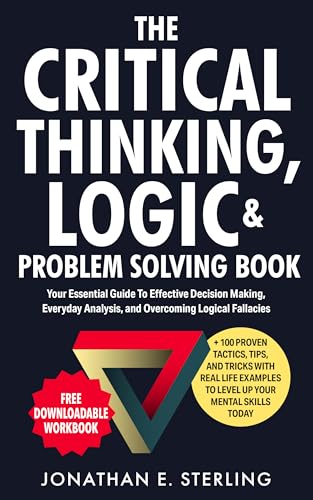
Development, Publishing & Marketing
The Critical Thinking, Logic & Problem Solving Book
Business / Self-Development
View case study3× Bestseller
 Seeds and Trees
Publishing & Marketing
Seeds and Trees
Children’s picture book
 B.R.A.G. Medallion
 Tōru: Wayfarer Returns
Development & Publishing
Tōru: Wayfarer Returns
History
 Global Book Awards Gold
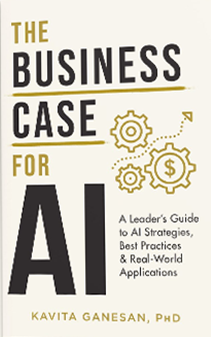 The Business Case for AI
Publishing & Marketing
The Business Case for AI
Business

 New York Times & USA TODAY Bestseller
 Rewind It Back
Development, Publishing & Marketing
Rewind It Back
Romance
 Then You Happened
Publishing & Marketing
Then You Happened
Romance
 Text Prize Winner
 It Sounded Better in My Head
Publishing & Marketing
It Sounded Better in My Head
Young Adult / Contemporary

 Sell Your Crafts Online
Publishing & Marketing
Sell Your Crafts Online
Business
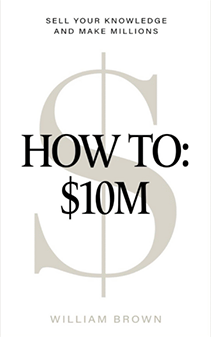 How To: $10M
Publishing & Marketing
How To: $10M
Business
What the engagement can include
Decision-ready findings, not a generic checklist.
Your project scope confirms which deliverables are needed and who is responsible for the next step.
✓
Current-edition identity map
✓
Proposed-change classification
✓
Keep-or-replace ISBN assessment
✓
Metadata transition matrix
✓
Retail continuity risk notes
✓
Migration sequence and ownership checklist
Process
Four stages. One accountable diagnostic path.
Each stage has a defined question, evidence threshold and next decision.
01
Establish
Verify the existing identifiers, registrant, publisher and formats.
02
Compare
Document every proposed production and publishing change.
03
Classify
Determine which changes preserve or create an edition.
04
Transition
Sequence metadata, distribution and retailer updates.
Scope assurance
A clear scope before work begins.
A guarantee applies only when it is expressly stated in the written service agreement. If that guaranteed deliverable is not delivered within the agreed contractual timeline, the client is entitled to a full refund for that specific undelivered service. Sales, rankings, editorial decisions and other third-party outcomes are not guaranteed.
- Findings tied to observable evidence
- Current requirements checked where platform rules matter
- Owned corrections separated from third-party requests
- No fabricated authority, acceptance or placement claims
Project fit
A strong engagement starts with the right conditions.
ISBN & Edition Transition Audit fit depends on the available evidence, access, service boundary and the client’s willingness to accept an honest diagnostic result.
Strong fit
- ✓ Authors leaving a publishing arrangement
- ✓ Publishers changing distribution systems
- ✓ Revised or reformatted books
- ✓ Teams that need a documented transition decision
Not a fit
- × Reusing an identifier across unrelated formats
- × Claiming ISBN ownership without records
- × Assuming a retailer page can always be preserved
- × Concealing a materially new edition
Related client work
Publishing, editorial and book marketing work
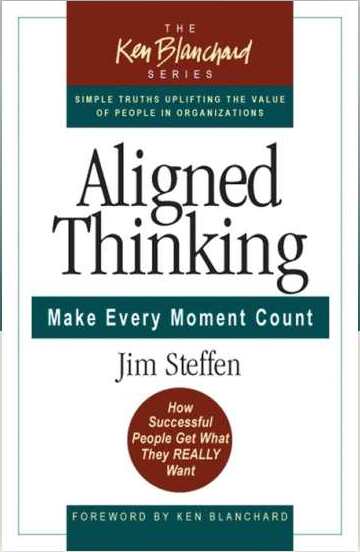
Dr. Raymond J. Steffen
Matching two books with two distinct publishing and marketing needs
View case study →
Dolev Erez
Taking The Art of Thinking in Graphs from editorial development through marketing
View case study →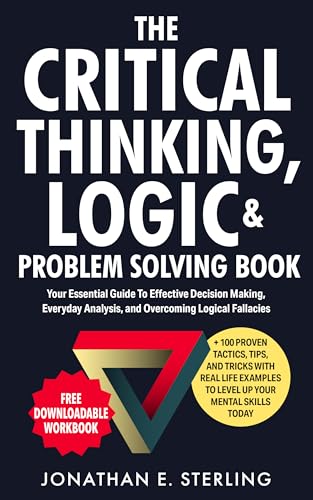
Jonathan E. Sterling
Building a practical critical-thinking title from editing through global marketing
View case study →Can I keep an ISBN when I leave my publisher?
It depends on who registered the ISBN, the rights and records available, and whether the book remains the same edition. The publisher-of-record relationship must be resolved, not assumed.
Does moving to IngramSpark require a new ISBN?
Not solely because of the platform move. But ownership, title, author, binding and edition facts must align with the existing identifier and the receiving platform’s rules.
Does each book format need its own ISBN?
Generally, yes. Print formats and separately marketed versions require their own identifiers; platform-specific digital identifiers may operate differently.
When does a revision become a new edition?
Material changes to content or key bibliographic facts can create a new edition. Minor corrections are different from substantive revision, reformatting or identity changes.
Will a new ISBN erase reviews or sales history?
Retailers decide how new editions are displayed and related. Continuity cannot be guaranteed, which is why the audit weighs catalog clarity against history risk.
Does the audit provide an ISBN?
The audit determines the correct identifier path. Registration or publishing implementation can be scoped separately where Stonebridge is authorized to perform it.