
Title-specific pages and reader pathways
Technology
Author Websites
Author websites function as the public home for the writer, books, media kit, speaking topics, interviews, newsletter, and credibility assets.
Author biography and supporting material
Contact and reader actions
Accounts, files and maintenance scope
Service delivery
Author platform
A project-specific path keeps scope, evidence, decisions and handoff visible from the first review through delivery.
- 01Positioning
- 02Architecture
- 03Build
- 04Launch
What this service does
Author Websites: scope and delivery
Stonebridge designs and structures author websites around public identity, book presentation, media proof, speaking opportunities, retailer links, reviews, and consultation or newsletter engagement.
Who it is for
Authors, experts, speakers, coaches, public figures, and thought leaders who need a professional home for their books and public profile.
Related client work
Website and personal-brand development

Sahil Gandhi — The Brand Professor
Making a personal-brand strategist’s own website feel as distinctive as his advice
View case study →
Our Book Portfolio
From manuscript to market, built around the book.
Explore the book collection. Each title identifies the publishing, editorial or marketing work delivered.
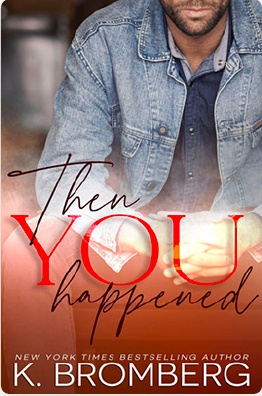 Then You Happened
Publishing & Marketing
Then You Happened
Romance

 New York Times & USA TODAY Bestseller
 Rewind It Back
Development, Publishing & Marketing
Rewind It Back
Romance
International Bestseller
 Amazon Bestseller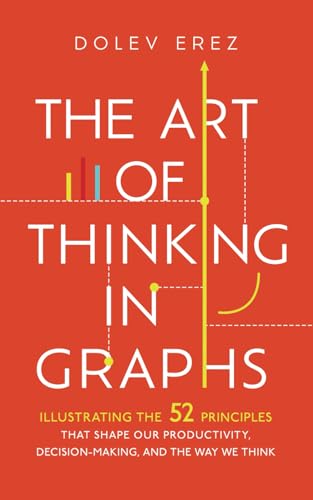
Development, Publishing & Marketing
The Art of Thinking in Graphs
Business / Decision Making
View case study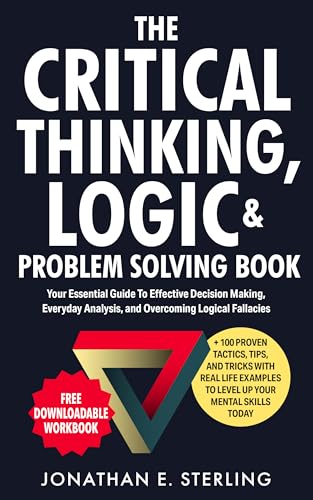
Development, Publishing & Marketing
The Critical Thinking, Logic & Problem Solving Book
Business / Self-Development
View case study3× Bestseller
 Seeds and Trees
Publishing & Marketing
Seeds and Trees
Children’s picture book
 B.R.A.G. Medallion
 Tōru: Wayfarer Returns
Development & Publishing
Tōru: Wayfarer Returns
History
 Global Book Awards Gold
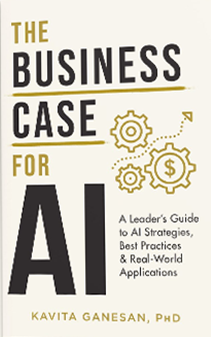 The Business Case for AI
Publishing & Marketing
The Business Case for AI
Business
 Text Prize Winner
 It Sounded Better in My Head
Publishing & Marketing
It Sounded Better in My Head
Young Adult / Contemporary
 Sell Your Crafts Online
Publishing & Marketing
Sell Your Crafts Online
Business
 How To: $10M
Publishing & Marketing
How To: $10M
Business
Process
How Stonebridge manages the work
- 01
Define author positioning, book catalog, and website goals
- 02
Build the page structure and content architecture
- 03
Design homepage, about, books, media kit, press, speaking, and contact sections
- 04
Set up retailer links, reviews, analytics, and forms
- 05
Launch, test, and prepare update instructions
Deliverables
What can be included
- Homepage
- About page
- Books pages
- Media kit
- Speaking topics
- Retailer links
Do I really need an author website if my books are already on Amazon and social media?
For an author building a long-term public presence, Stonebridge normally recommends having an owned website. Retailers and social platforms are useful, but they control the account and can change their rules or visibility. The author's website becomes the central place for books, biography, media, reviews, speaking, contact information, reader links, press materials, and future projects. It also gives search and AI systems a clear official source for understanding the author.
What pages should a professional author website include?
The exact structure depends on the author, but Stonebridge commonly builds a homepage, author biography, individual book pages, media or press section, reviews or testimonials, speaking or events where relevant, contact or consultation path, and links to retailer or reader platforms. The site can also include a media kit, email capture, articles, resources, analytics, and an AI FAQ assistant. The objective is to support both the reader and the author's wider public authority.
Can the website include all of my books, retailer links, reviews, media appearances, and speaking information?
Yes. Stonebridge can build the website as the central public hub for those assets. Each book can have its own page with description, formats, retailer links, reviews, media, and related material. The author section can include biography, speaking topics, interviews, articles, and contact information. Keeping these assets together also helps marketing campaigns because visitors have one place to move from discovery to the next action.
Will I own the domain and have access to the website after it is completed?
Stonebridge's standard position is client ownership of the approved final work and client-controlled assets. The domain should be registered or transferred so the author retains control, and the agreement should confirm website access, hosting, accounts, and any third-party licenses. Where Stonebridge uses reusable code, licensed software, or third-party systems, those components remain subject to their own terms, but the client's website should not become inaccessible simply because the service relationship ends.
Can I update books, biographies, events, and other content myself later?
Yes, where the chosen website structure supports client editing. Stonebridge can build a site with an administrative or content-management path so routine information can be updated without rebuilding the entire website. Some clients prefer Stonebridge to handle ongoing maintenance instead. The right setup depends on how often the site changes and how comfortable the client is managing it. The maintenance and access structure is confirmed during the project.
Will the author website be built for mobile devices and search visibility as well as appearance?
Yes. Stonebridge treats mobile responsiveness, technical structure, metadata, internal links, analytics, search indexing, and conversion paths as part of a professional website rather than focusing only on the visual design. The site should explain who the author is, what the books are, and what the visitor can do next. Where the project includes SEO, AEO, or GEO, the website can also be structured so search and AI systems understand the author more clearly.