
Book purpose, audience and source material
Publishing
Ghostwriting
Books, chapters, speeches, thought-leadership manuscripts, and long-form authority assets written from the client’s ideas, interviews, notes, research, and experience.
Interviews and subject requirements
Manuscript development and review
Approval, confidentiality and agreed ownership
Service delivery
Voice-led development
A project-specific path keeps scope, evidence, decisions and handoff visible from the first review through delivery.
- 01Interviews
- 02Voice map
- 03Structured draft
- 04Client approval
What this service does
Ghostwriting: scope and delivery
Stonebridge turns a client’s knowledge, personal story, professional insight, research material, recorded calls, and rough notes into a complete manuscript with a clear structure, consistent voice, strong reader flow, and publishable presentation.
Who it is for
Authors, CEOs, founders, experts, public figures, coaches, consultants, speakers, professionals, and organizations that have the ideas but need the book created with discipline, structure, and editorial control.
Related client work
Publishing, editorial and book marketing work
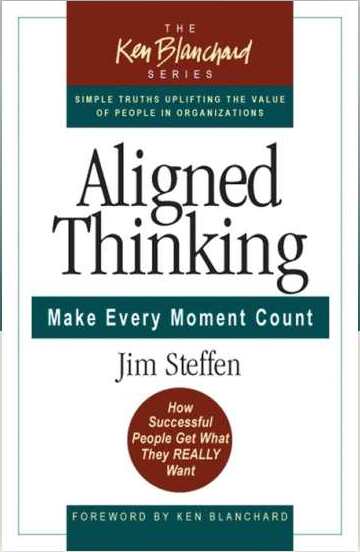
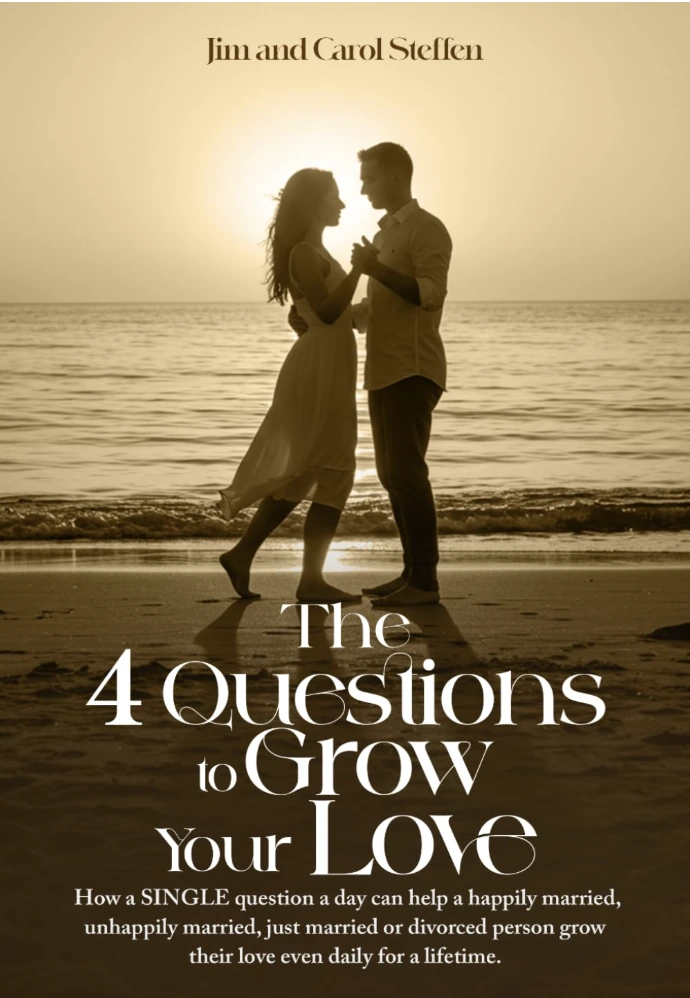
Dr. Raymond J. Steffen
Matching two books with two distinct publishing and marketing needs
View case study →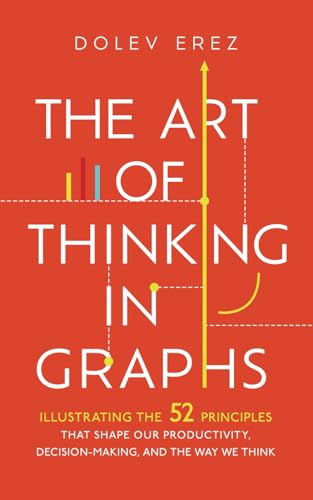
Dolev Erez
Taking The Art of Thinking in Graphs from editorial development through marketing
View case study →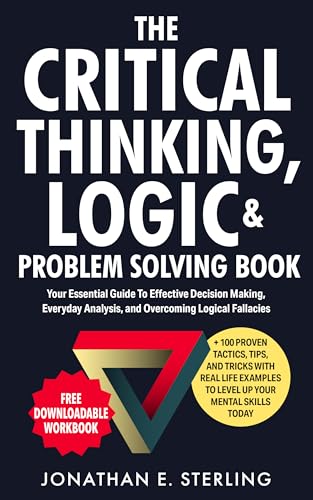
Jonathan E. Sterling
Building a practical critical-thinking title from editing through global marketing
View case study →Our Book Portfolio
From manuscript to market, built around the book.
Explore the book collection. Each title identifies the publishing, editorial or marketing work delivered.
 Then You Happened
Publishing & Marketing
Then You Happened
Romance

 New York Times & USA TODAY Bestseller
 Rewind It Back
Development, Publishing & Marketing
Rewind It Back
Romance
 Text Prize Winner
 It Sounded Better in My Head
Publishing & Marketing
It Sounded Better in My Head
Young Adult / Contemporary
International Bestseller
 Amazon Bestseller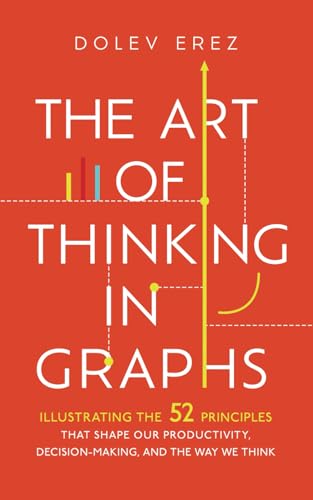
Development, Publishing & Marketing
The Art of Thinking in Graphs
Business / Decision Making
View case study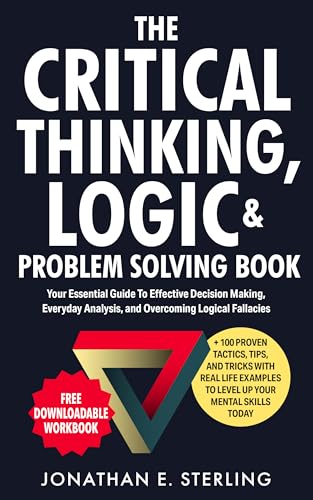
Development, Publishing & Marketing
The Critical Thinking, Logic & Problem Solving Book
Business / Self-Development
View case study3× Bestseller
 Seeds and Trees
Publishing & Marketing
Seeds and Trees
Children’s picture book
 Sell Your Crafts Online
Publishing & Marketing
Sell Your Crafts Online
Business
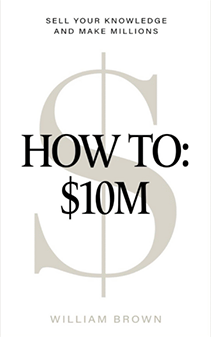 How To: $10M
Publishing & Marketing
How To: $10M
Business
 Global Book Awards Gold
 The Business Case for AI
Publishing & Marketing
The Business Case for AI
Business
 B.R.A.G. Medallion
 Tōru: Wayfarer Returns
Development & Publishing
Tōru: Wayfarer Returns
History
Process
How Stonebridge manages the work
- 01
Discovery interviews and source-material review
- 02
Book concept, positioning, audience, and chapter architecture
- 03
Voice modeling, research organization, and chapter drafting
- 04
Client review rounds, revisions, and structural refinement
- 05
Final manuscript preparation for editing, design, publishing, and launch
Deliverables
What can be included
- Book concept and chapter outline
- Interview-led manuscript development
- Full chapter drafting
- Voice and tone alignment
- Revision rounds
- Final manuscript handoff for editing and production
How does the ghostwriting process work if I have the idea but have not written anything yet?
That is enough to begin. Stonebridge can build a book from an idea, interviews, recordings, notes, research, or even a rough concept. We first understand what you want the book to achieve, who it is for, and how you want to sound. From there, we organize the material into a chapter structure, confirm the direction with you, and develop the manuscript in stages. You remain involved throughout the process and review the work before anything is treated as final.
How involved do I need to be while the book is being written?
You can be as involved as the project requires. Some clients provide detailed notes and review every stage closely. Others prefer interview-led development and give broader direction while Stonebridge handles the writing. The important part is that we have enough access to your ideas, experience, facts, and voice to write the book properly. We normally build approval and revision stages into the project so the manuscript develops with you rather than being handed back as a surprise at the end.
Will the finished book sound like me or like the ghostwriter?
The goal is for it to sound like you. Stonebridge uses interviews, existing writing, recordings, notes, vocabulary, sentence rhythm, and the way you naturally explain things to align the manuscript with your voice. The ghostwriter's role is to organize and strengthen the material without replacing the author's identity. For a business book, memoir, or expert-led book especially, the reader should feel that the author is speaking directly to them, not that a third party has imposed a generic style.
Who owns the manuscript and copyright after the ghostwriting project is completed?
The client owns the completed manuscript and the approved final work. Stonebridge is paid for the service and does not retain an ownership stake in the client's book. The exact wording is confirmed in the written agreement, but Stonebridge's standard position is client ownership. The same principle applies when ghostwriting is combined with editing, publishing, marketing, or other services. Stonebridge does not take book royalties simply because it helped create the manuscript.
Is my book idea, personal story, or business information kept confidential?
Yes. Stonebridge treats manuscripts, private business information, recordings, credentials, research, personal stories, and project materials as confidential. An NDA is part of the onboarding structure for clients so the information shared during the project is protected. This is especially important for memoirs, unreleased business material, proprietary ideas, family information, and books involving sensitive personal experiences. Confidential information is used for the project and is not treated as public material unless the client approves it for publication.
How long does it take to ghostwrite a book, and how are revisions handled?
The timeline depends on the word count, research requirements, number of interviews, condition of the source material, and how quickly approvals are provided. Stonebridge confirms the project timeline after reviewing the book rather than giving one generic timeframe for every manuscript. Revision stages are normally built into the project, and Stonebridge's publishing model is designed around continuing revisions until the client approves the final work. Major changes after final approval may require a revised scope.