
Manuscript condition and editorial need
Publishing
Editing
Editorial development for manuscripts that need structure, clarity, polish, consistency, and professional readiness before publication.
Developmental, line or copyediting scope
Consistency without flattening the author’s voice
Agreed edits, queries and final handoff
Service delivery
Editorial control
A project-specific path keeps scope, evidence, decisions and handoff visible from the first review through delivery.
- 01Manuscript audit
- 02Edit level
- 03Tracked revision
- 04Final polish
What this service does
Editing: scope and delivery
Stonebridge reviews and strengthens manuscripts at the correct editorial level, from developmental editing and book doctoring to line editing, copy editing, proofreading, and final quality control.
Who it is for
Authors with completed or partially completed manuscripts, self-published authors preparing a revised edition, nonfiction experts, memoir writers, children’s book authors, and brands preparing high-visibility written material.
Selected client work
Editing and manuscript development
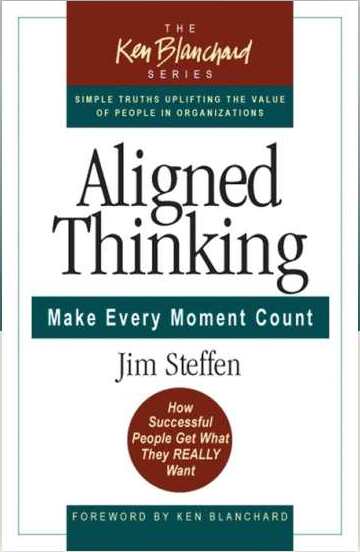
Dr. Raymond J. Steffen
Matching two books with two distinct publishing and marketing needs
View case study →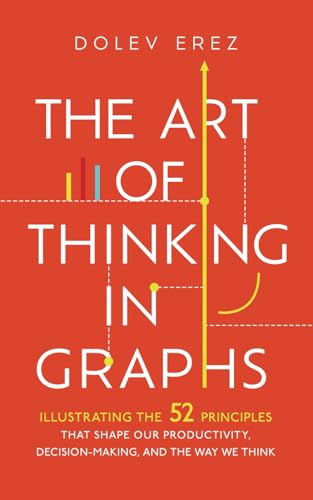
Dolev Erez
Taking The Art of Thinking in Graphs from editorial development through marketing
View case study →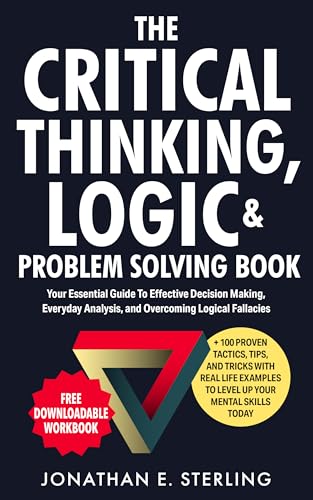
Jonathan E. Sterling
Building a practical critical-thinking title from editing through global marketing
View case study →Our Book Portfolio
From manuscript to market, built around the book.
Explore the book collection. Each title identifies the publishing, editorial or marketing work delivered.
 Amazon Bestseller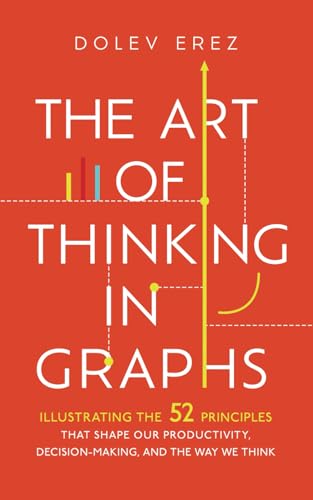
Development, Publishing & Marketing
The Art of Thinking in Graphs
Business / Decision Making
View case study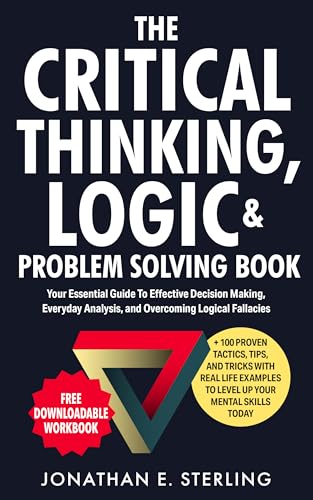
Development, Publishing & Marketing
The Critical Thinking, Logic & Problem Solving Book
Business / Self-Development
View case study
 Global Book Awards Gold
 The Business Case for AI
Publishing & Marketing
The Business Case for AI
Business

 New York Times & USA TODAY Bestseller
 Rewind It Back
Development, Publishing & Marketing
Rewind It Back
Romance
 Then You Happened
Publishing & Marketing
Then You Happened
Romance
 Text Prize Winner
 It Sounded Better in My Head
Publishing & Marketing
It Sounded Better in My Head
Young Adult / Contemporary
International Bestseller
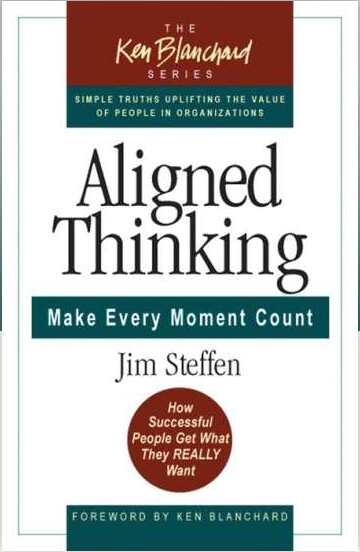
3× Bestseller
 Seeds and Trees
Publishing & Marketing
Seeds and Trees
Children’s picture book
 Sell Your Crafts Online
Publishing & Marketing
Sell Your Crafts Online
Business
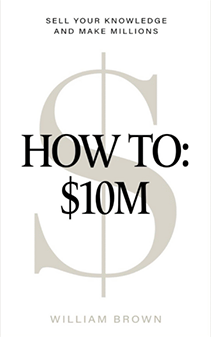 How To: $10M
Publishing & Marketing
How To: $10M
Business
 B.R.A.G. Medallion
 Tōru: Wayfarer Returns
Development & Publishing
Tōru: Wayfarer Returns
History
Process
How Stonebridge manages the work
- 01
Manuscript review and editorial level assessment
- 02
Structural, content, voice, and reader-experience recommendations
- 03
Developmental, line, copy, or proof-level editing based on the manuscript need
- 04
Author review, revisions, and quality control
- 05
Final production-readiness check for formatting, publishing, or distribution
Deliverables
What can be included
- Editorial report
- Developmental editing
- Line editing
- Copy editing
- Proofreading
- Final manuscript quality review
What type of editing does my manuscript actually need?
Stonebridge first reviews the manuscript and its current condition. A book with structural problems may need developmental editing. A strong draft may need line editing or copy editing. A manuscript that has already been thoroughly edited may only need proofreading before production. We do not believe every book should automatically be sold the same editorial package. The correct level depends on what is actually wrong, how much rewriting is required, and how close the manuscript is to publication readiness.
What is the difference between developmental editing, line editing, copyediting, and proofreading?
Developmental editing looks at the book as a whole: structure, pacing, argument, chapter order, missing material, repetition, and whether the manuscript works for its intended reader. Line editing works more closely on clarity, flow, tone, and sentence quality. Copy editing focuses on grammar, consistency, usage, punctuation, and technical correctness. Proofreading is the final quality-control stage after the manuscript has already been edited and formatted. Stonebridge can combine these stages when the manuscript needs more than one level of work.
Will an editor change my writing style or preserve my voice?
The editor should strengthen the writing without turning it into someone else's book. Stonebridge works to preserve the author's voice, meaning, and personality while improving clarity, structure, grammar, flow, and readability. When a larger rewrite is necessary, the changes are still guided by the author's intended message. The client reviews the work before final approval, so the editorial process remains collaborative rather than giving an editor unrestricted control over the manuscript.
How is the cost of editing calculated for a full manuscript?
Editing cost depends mainly on manuscript length, the level of editing required, the condition of the draft, research or fact-checking needs, and how much rewriting is involved. Stonebridge reviews the manuscript before confirming the final investment. Ghostwriting and editing projects generally fall within a broader range of approximately $1,000 to $25,000, but that is not a quote for every editing job. A clean manuscript needing proofreading should not be priced like a manuscript requiring major developmental work.
How long does professional book editing usually take?
The timeline depends on the manuscript length and the type of editing required. A proofreading project can move much faster than a developmental edit involving major restructuring and author revisions. Stonebridge confirms the timeline after reviewing the manuscript and the requested publication schedule. If the project includes editing, design, formatting, and publishing, those stages are planned together so the manuscript is not rushed into production before the editorial work is complete.
What happens after I receive the edited manuscript, and are revisions or follow-up included?
You receive the edited work for review and can raise questions, approve changes, or request revisions within the agreed scope. Stonebridge normally includes review and revision stages so the author can remain involved rather than simply receiving a finished file with no discussion. Once the manuscript is approved, it can move into formatting, cover production, publishing setup, or whichever next service is included. Large changes introduced after final approval may require a revised timeline or scope.