
Audience relevance and news value
Media & PR
PR Strategy
PR strategy defines the angle, audience, timing, platform direction, media language, proof assets, and campaign structure before outreach begins.
Claims and source material assessed
Outlets, timing and spokesperson readiness
Outreach, coverage and business results separated
Service delivery
PR strategy
A project-specific path keeps scope, evidence, decisions and handoff visible from the first review through delivery.
- 01Narrative
- 02Proof assets
- 03Opportunity map
- 04Campaign plan
What this service does
PR Strategy: scope and delivery
Stonebridge develops a clear public relations strategy before any campaign moves into outreach. The work organizes the client’s story, media angle, audience, proof assets, positioning language, and platform direction so PR activity is focused rather than scattered.
Who it is for
Authors, executives, public experts, founders, companies, and organizations that need media visibility with a defined public angle and controlled campaign structure.
Selected client work
PR campaigns and editorial coverage

21.com
Building launch visibility and a credible corporate record in a regulated industry
View case study →
Heirloom Carbon Technologies
Explaining direct-air-capture science through facilities, milestones, and trust
View case study →
Carbon Upcycling Technologies
Turning industrial decarbonization into a clear cement-technology story
View case study →Our Book Portfolio
From manuscript to market, built around the book.
Explore the book collection. Each title identifies the publishing, editorial or marketing work delivered.
International Bestseller
 Amazon Bestseller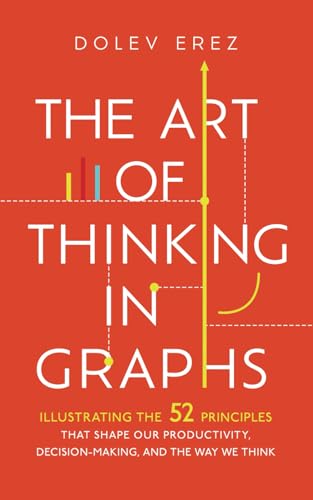
Development, Publishing & Marketing
The Art of Thinking in Graphs
Business / Decision Making
View case study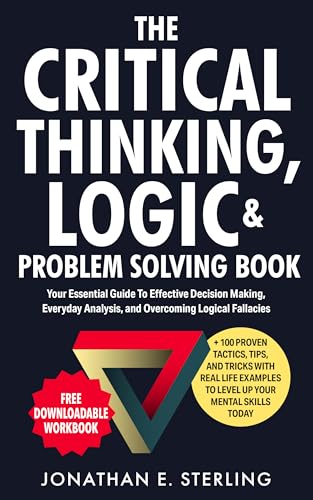
Development, Publishing & Marketing
The Critical Thinking, Logic & Problem Solving Book
Business / Self-Development
View case study3× Bestseller
 Seeds and Trees
Publishing & Marketing
Seeds and Trees
Children’s picture book
 B.R.A.G. Medallion
 Tōru: Wayfarer Returns
Development & Publishing
Tōru: Wayfarer Returns
History
 Global Book Awards Gold
 The Business Case for AI
Publishing & Marketing
The Business Case for AI
Business

 New York Times & USA TODAY Bestseller
 Rewind It Back
Development, Publishing & Marketing
Rewind It Back
Romance
 Then You Happened
Publishing & Marketing
Then You Happened
Romance
 Text Prize Winner
 It Sounded Better in My Head
Publishing & Marketing
It Sounded Better in My Head
Young Adult / Contemporary

 Sell Your Crafts Online
Publishing & Marketing
Sell Your Crafts Online
Business
 How To: $10M
Publishing & Marketing
How To: $10M
Business
Process
How Stonebridge manages the work
- 01
Review the client’s current public position, assets, and audience
- 02
Define the campaign angle, media language, and credibility signals
- 03
Map national, niche, regional, trade, and multilingual platform direction
- 04
Prepare the PR structure, pitch logic, and required campaign materials
- 05
Move into execution, tracking, and reporting
Deliverables
What can be included
- PR strategy framework
- Audience and angle development
- Media language and pitch direction
- Proof-asset review
- Platform targeting map
- Campaign timeline
How do you decide whether my story is actually strong enough for media coverage?
Stonebridge first looks for a real reason the media or public should care. That can come from a launch, milestone, research finding, public issue, expert perspective, business development, technology, book, achievement, controversy, partnership, expansion, or another legitimate angle. We then test whether the story has evidence, timing, relevance, and enough substance to support coverage. If the current angle is weak, Stonebridge can reposition the story or recommend building stronger authority before approaching media.
What is the difference between a PR strategy and simply distributing a press release?
A press release is one delivery tool. PR strategy is the larger system around the client's public narrative, media angles, proof, timing, target outlets, spokesperson preparation, editorial opportunities, interviews, follow-up coverage, and amplification. Stonebridge can deliver both. Syndicated press release distribution is a paid distribution service that can be provided broadly. Staff-written editorial coverage, however, follows an approval process because the publication or writer must first approve the subject or angle.
How do you decide which publications, journalists, or media platforms to target?
Stonebridge matches the client's story to the outlet rather than choosing publications only because the name looks impressive. We consider the audience, topic, geographic market, publication level, media format, credibility value, and how the coverage will support the client's wider objective. For editorial opportunities, the topic must fit the publication. If the client requests a specific platform, Stonebridge submits the topic or query for approval first and only takes on that specific placement after approval is confirmed.
How far in advance should a PR campaign begin?
It depends on what the campaign is supporting. A launch, book release, event, announcement, or major interview may need preparation before the public date so the story, media materials, approvals, and outreach are ready in time. Evergreen authority campaigns can start from the client's current position without a fixed launch date. Stonebridge confirms the schedule after reviewing the project because media timelines, editorial approvals, asset preparation, and client availability can all affect the campaign.
What materials do I need to provide before a PR campaign can start?
Stonebridge normally needs accurate information about the person, company, book, product, or announcement; supporting facts; approved photographs or logos; relevant links; leadership information; previous coverage; and any documents required to verify the story. We can then develop the media angle, biographies, talking points, press release, one-sheet, or other campaign materials. The client does not need to arrive with a finished media package. Stonebridge can build the materials as part of the scope.
How should the results of a PR campaign be measured?
PR should be measured against the actual campaign objective, not only the number of links. Stonebridge can report syndicated pickups, editorial placements, interviews, estimated reach, reads, views, publication quality, search visibility, media proof, referral traffic, and the way the coverage strengthens the client's public authority. A PR campaign can also create assets that continue supporting websites, search, sales conversations, speaking opportunities, and future media. Stonebridge does not treat sales or ROI as automatically guaranteed by publicity.